
How has Earth’s water changed through time?
Less than you might think, and more. The water itself is old, and Earth has been recycling that enormous ancient supply for billions of years. What changes is everything else: its molecules are broken apart and rebuilt, and the share of the world under the sea goes down and comes back up.
AI reconstruction — not a photograph · Shutterstock AI/Shutterstock.com · Shutterstock Standard License
Four pages, one long story
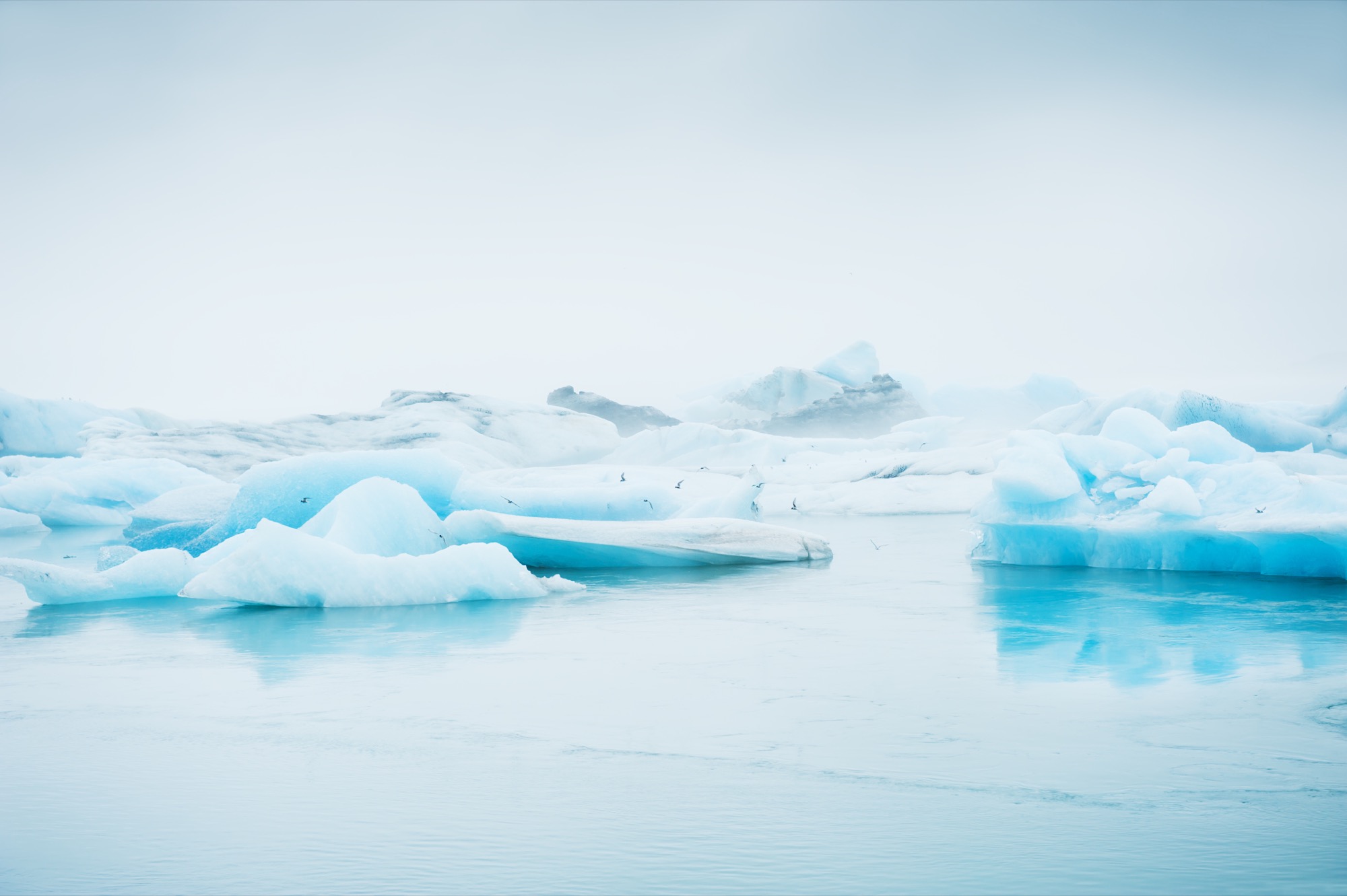
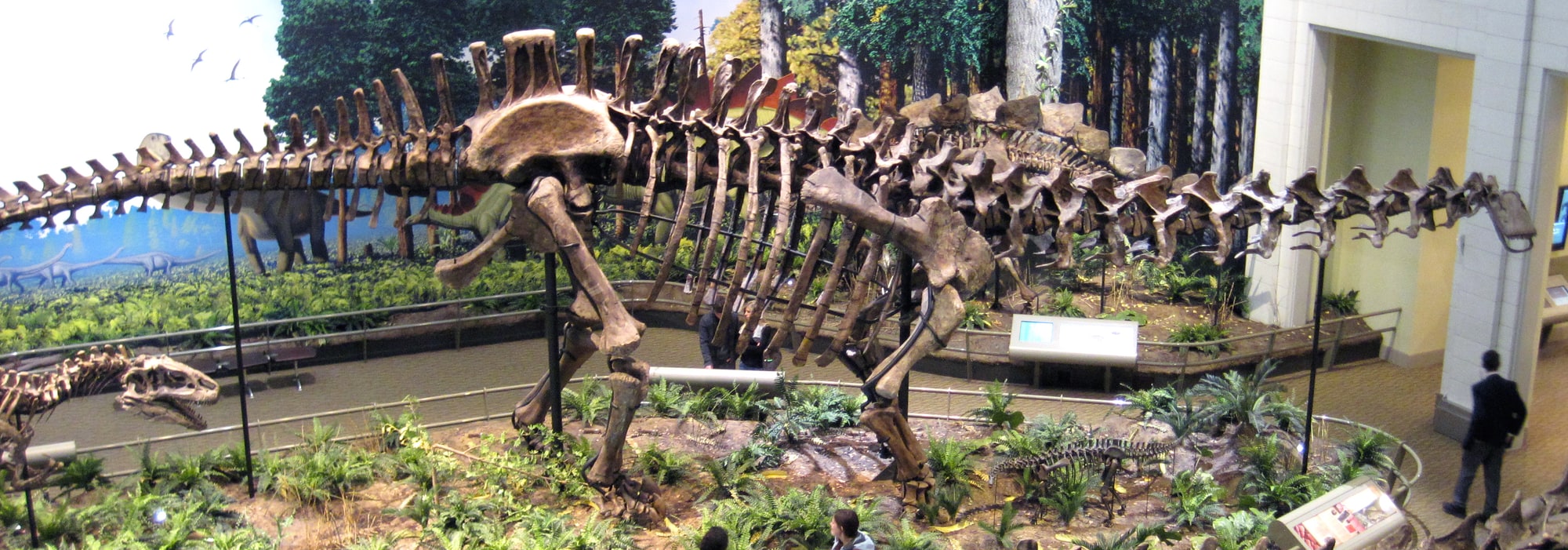
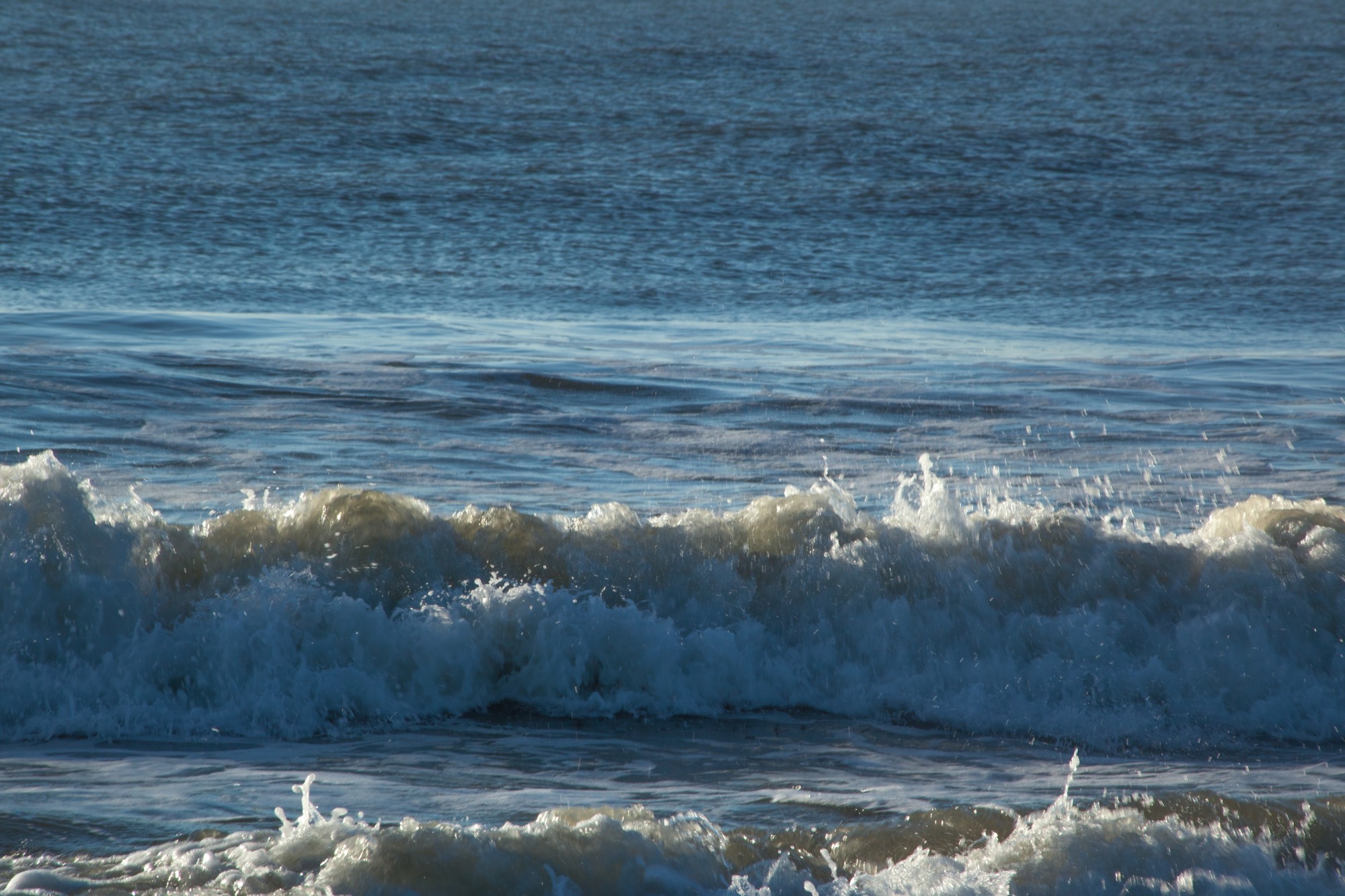
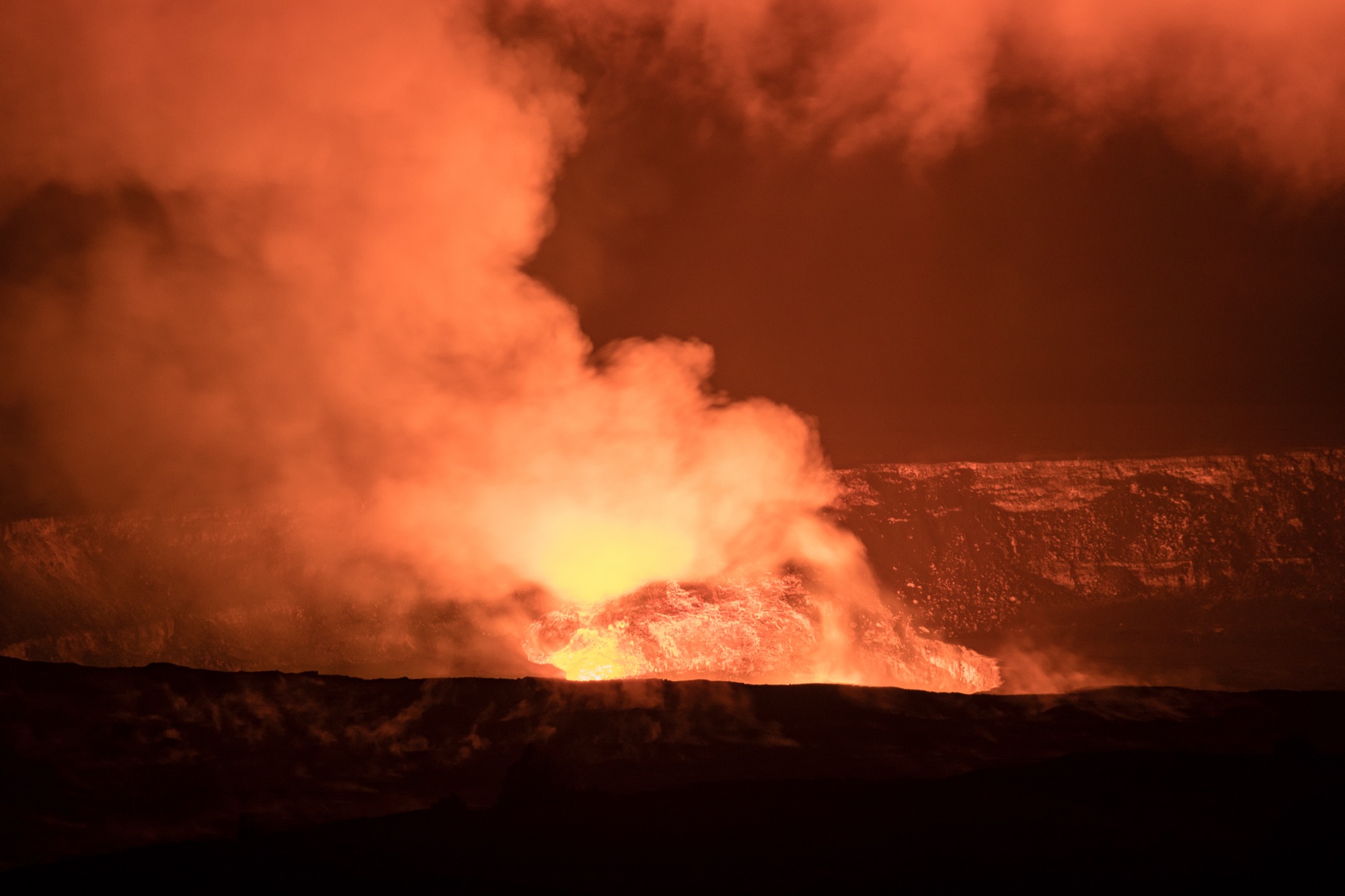


Real photographs: 300785485/Shutterstock.com · James St. John, CC BY 2.0, via Wikimedia Commons · 228988681/Shutterstock.com · Shutterstock Standard (free image collection, API) License · CC BY 2.0
Read them in this order
Start with how old the water is, since that is the question the other three grow out of. Then the dinosaur-water page shows what old means for the glass in your hand, and why it is the atoms that carry on rather than the molecules.
The oceans page is where the change shows: it lays every map this site holds in a row and counts the sea on each one. The volcano page asks the last question, whether any of the water is new, and refuses to pretend the answer is simple.
Where next
To see the maps themselves, period by period, go to What did Earth look like when dinosaurs lived? For the rivers that carry this water today, and how young two of them turn out to be, try How old are rivers?